You already know what you’re supposed to say. Maybe you’ve done the therapy, read the books, memorized the language of needs and boundaries and active listening. Then the actual moment arrives, the hard conversation, the vulnerable one, the one where your partner reaches for you, and something in your chest tightens before a single word comes out. You say the right thing, or you say nothing at all, and either way you’re not really there.
That gap, between understanding a relationship intellectually and actually being able to stay present in it, is where a lot of people get stuck when they start looking for a relationship coach in the UK. It’s also the gap Andre Lazarus works with directly, and it’s why his approach looks a little different from most relationship coaching you’ll find.
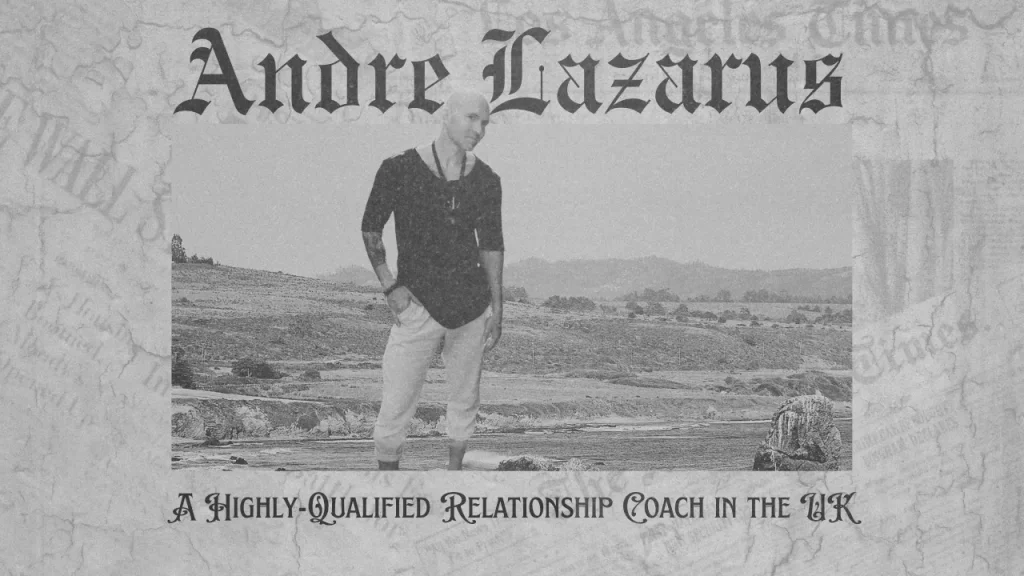
Andre Lazarus is a Somatica®-certified relationship, intimacy, and sex coach based between the UK and Barcelona. Before booking a first conversation with any coach, it’s reasonable to want to know exactly what they’re qualified in, what a session actually involves, and how their approach compares to more traditional relationship coaching. This page answers all three plainly.
Who Is Andre Lazarus?

Andre Lazarus is a Certified Somatica® Sex, Intimacy and Relationship Coach and a certified surrogate partner through the International Professional Surrogates Association, alongside graduate-level academic training. He works with individuals and couples across the UK and in Barcelona, in person and online, on relationship patterns, communication, sexual connection, and confidence.
He also appeared on Channel 4’s Virgin Island as one of the show’s surrogate partner therapists, working within the show’s clinical supervision structure. Worth being precise about what that means here: surrogate partner therapy is its own closely bounded practice, separate from the one-to-one relationship coaching most people researching “relationship coach UK” are actually looking for. You can read more about his background and training on the About My Work page.
Andre Lazarus’s Credentials at a Glance
| Credential | What it means |
| Somatica® Certified Coach | Trained through the Somatica Institute in sex, intimacy, and relationship coaching, the same institute behind the coaching shown on Channel 4’s Virgin Island. |
| Certified Surrogate Partner, IPSA | Certified through the International Professional Surrogates Association, a credentialing body operating since 1973 with a published code of ethics. |
| Graduate-level academic training | Holds a Master of Science, a Master of Arts, and a Bachelor of Arts, alongside his coaching certifications. |
| Practice locations | Works with individuals and couples across the UK and in Barcelona, Spain, in person and online. |
| Media | Appeared on Channel 4’s Virgin Island as one of the show’s surrogate partner therapists, working within the show’s clinical supervision structure. |
What Makes Andre’s Approach Different from Traditional Relationship Coaching?
Most relationship coaches work primarily through conversation: reflection, structured exercises, and goal setting around communication, conflict, and the everyday habits that build or erode connection. That’s genuinely useful, and for plenty of people it’s enough on its own. Traditional relationship coaching works best when the core problem is that you don’t know what to say, or you and your partner don’t have a shared structure for saying it.
Andre’s coaching, drawn primarily from the Somatica Institute‘s method, includes all of that and adds something most relationship coaching doesn’t: explicit, structured attention to the body. Somatic simply means relating to the body. In practice, it means Andre pays attention not only to what you say you want, but to what your body actually does in the moment you try to reach for it, whether that’s a hard conversation, a moment of closeness, or sex.
The theory behind this is fairly straightforward. Knowing why you shut down during conflict, and actually not shutting down the next time it happens, are two different skills. Somatic work targets the second one, the part that talk alone often can’t reach by itself. That’s the real distinction, not the shallow “one deals with the mind, the other deals with the body” version, and it’s worth understanding before you decide which kind of relationship coach fits your situation.
Somatic Intimacy Coaching vs Relationship Coaching: What Each Pays Attention To
Here’s the distinction without the “mind versus body” cliché. Relationship coaching pays attention to what’s happening between two people: the words, the patterns, the agreements, the history. Somatic intimacy coaching pays attention to all of that too, then adds a second layer, what’s happening inside each person while it’s happening between them.
A relationship coach might ask, “What’s going on between you two right now?” A somatic intimacy coach might ask that same question, and then also ask what happens in your body the moment you try to say it to her. Both questions matter. The second one just goes somewhere the first usually doesn’t.
| Dimension | Relationship Coaching | Somatic Intimacy Coaching |
| Primary focus | Relationship patterns, goals, and agreements | The same patterns, plus embodied experience as it happens in real time |
| Typical format | Conversation, reflection, structured exercises | Conversation plus body awareness and experiential practice |
| Communication work | Building the skill: naming needs, active listening, repair | Building the skill, plus noticing what happens internally while using it |
| Sexuality | May or may not be a central topic, depends on the practitioner | Often an explicit, central focus |
| Boundaries | Usually discussed and agreed verbally | Can include noticing bodily signals and practicing boundaries out loud, in the room |
| Trauma considerations | Depends heavily on the individual practitioner’s training | Trauma-informed pacing is often more built into the format |
| Physical contact | Not part of the format | Not required by default; any experiential or touch-based practice is separately agreed and consented to in advance |
| Best fit | A communication or skills gap | Insight without felt change, or a physical or sexual block specifically |
How the Two Approaches Handle Communication
Relationship coaching treats communication as a skill to build: naming needs clearly, listening without interrupting, repairing after a fight. These are learnable, and a decent relationship coach will drill them the way any coach drills a skill.
Somatic intimacy coaching includes all of that and adds real-time noticing. Instead of only discussing a difficult conversation from last week, the coach might slow down a moment happening right now, in session, and ask what you’re aware of in your body as you speak. This isn’t a gimmick. A large meta-analysis of research on couples’ sexual communication found that the quality of how partners talk about sex, not just how often, correlates meaningfully with both relationship and sexual satisfaction. Getting better at the words helps. Somatic work argues that getting better at noticing what your body is doing while you say them is what makes the words actually land.
Where the Body Changes the Conversation
Somatic gets treated like a mystical word sometimes, so it’s worth being concrete about what it looks like in an actual session. It can mean:
- Noticing tension build in your shoulders before you say no to something, instead of only realizing afterward that you agreed to something you didn’t want.
- Realizing you’ve been holding your breath through an entire hard conversation, and finding out what happens when you don’t.
- Catching the exact moment you go numb or start watching an interaction from outside yourself, rather than only knowing, in hindsight, that you checked out.
- Practicing a boundary out loud, in the room, and noticing what it actually feels like in your body to hold it, rather than only agreeing in theory that you’re allowed to.
- Learning to tell desire, obligation, fear, and plain uncertainty apart, which can feel almost identical from the inside until you slow down enough to separate them.
None of this needs meditation training or special vocabulary. It needs slowing down enough to notice what’s already happening. That lines up with research on interoception, the ability to sense and interpret signals from inside your own body, which has been consistently linked to better emotional regulation. A relationship coach can teach you what to say. Somatic work builds the underlying capacity to notice what’s happening before you even have to decide what to say.
Somatic Intimacy Coaching and Sexual Connection

Sexuality is where the two approaches diverge most visibly. Relationship coaching may or may not touch on sex directly, depending on the practitioner and what the client brings up. Somatic intimacy coaching tends to treat sexual and physical connection as a central, explicit part of the work, not an optional add-on to the “real” relationship stuff.
That covers some very ordinary, unglamorous scenarios. A couple who communicate well about almost everything except sex, and go quiet the second the subject comes up. Someone who wants more physical closeness but notices their body going tense or distant the moment a partner actually gets close, a pattern totally disconnected from how much they consciously want that closeness. Someone who keeps landing in the same relationship dynamic, understands it perfectly on paper, and still can’t do anything different when it starts up again in real time.
Somatic coaching works with what’s happening physically and emotionally in the moment, not just by talking it over afterward. It’s one reason sex positions for emotional intimacy come up as a practical entry point in this kind of work: not as a technique to master, but as a structure that makes eye contact, pacing, and presence easier to practice, which makes the underlying pattern easier to notice and shift.
Attachment, Trauma, and the Nervous System

Attachment theory, the idea that early relational experiences shape how we seek closeness and handle distance as adults, comes up naturally in both kinds of coaching. A systematic review of the research consistently links more secure attachment to higher relationship satisfaction across a range of cultural contexts. A relationship coach might help you recognize an anxious or avoidant pattern intellectually. Somatic intimacy coaching adds attention to how that pattern actually feels showing up in your body, the tightening, the urge to pursue or withdraw, as it’s happening.
This is also where trauma-informed practice matters most. Past experiences, including sexual trauma, can genuinely shape present-day emotional and physical responses to closeness. That doesn’t mean every relationship problem traces back to trauma, and a responsible somatic coach won’t treat it as though it does. Reputable trauma-informed practice is built around a small set of consistent principles, safety, trustworthiness, and putting choice back in the client’s hands, rather than a single technique. Somatic intimacy coaching that takes trauma seriously operates the same way: nothing is forced, pacing is set by the client, and anything beyond the coach’s training gets referred out instead of pushed through.
What Happens in a Session With Andre?
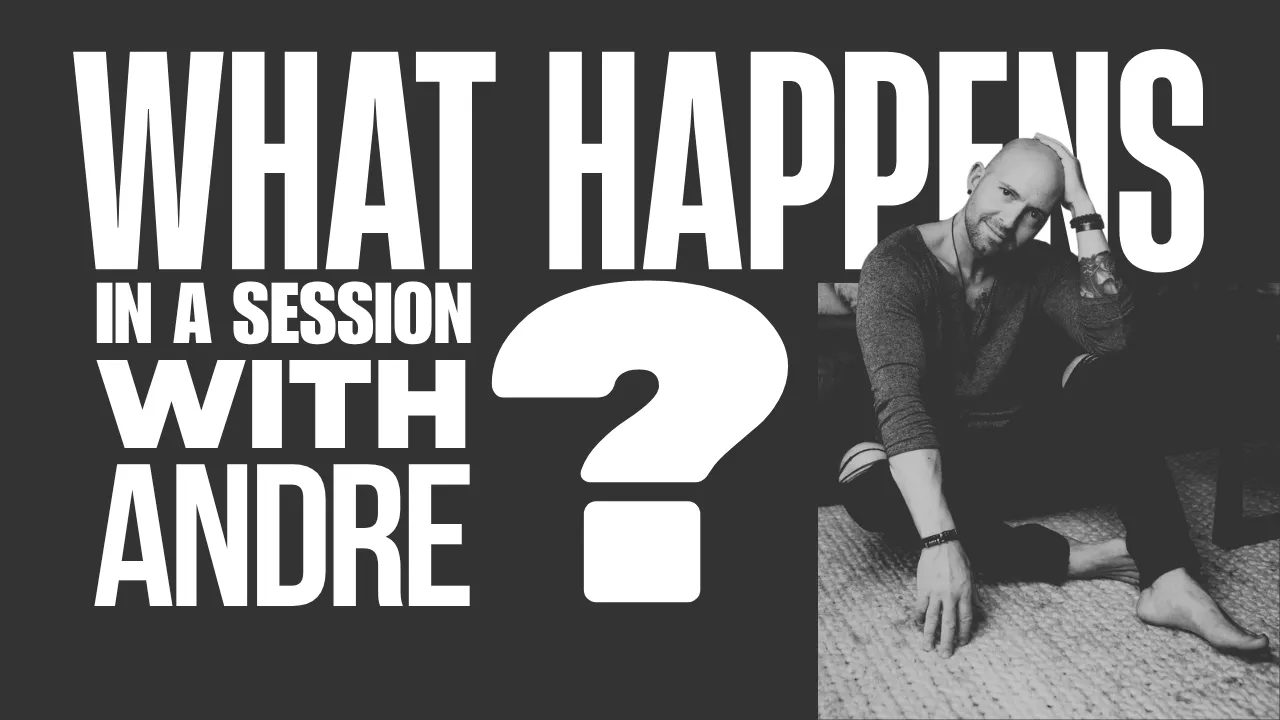
This is worth answering plainly, because vagueness here creates more hesitation than almost anything else in this field. Sessions in this kind of coaching usually involve conversation, same as relationship coaching, plus structured attention to what’s happening in the body as you talk: noticing tension, breath, the urge to pull away or lean in, and practicing new responses in real time instead of only discussing them afterward.
Physical touch isn’t an automatic feature of somatic intimacy coaching. In Coming Closer’s published intake information, the answer is direct: no physical contact is required, and coaching focuses on awareness, discussion, and practical tools you can use in daily life. Where a specific in-person format includes experiential or touch-based practice, breath work or guided movement, for instance, that scope is agreed on and consented to ahead of time rather than assumed. It’s a version of a broader idea in somatic-sex education: consent and choice as an ongoing, moment-to-moment process, not a one-time box you tick.
This is also the point where it’s worth being precise about related but different job titles. A sex coach or intimacy coach isn’t automatically the same as a psychosexual therapist, a licensed sex therapist, or a surrogate partner. These roles can overlap in subject matter while sitting in genuinely different professional categories, with different training, licensing, and scope. A good practitioner in any of these categories will tell you plainly which one they are and where their scope ends.
Is Somatic Intimacy Coaching Better Than Relationship Coaching?

No, not automatically, and pretending otherwise would be dishonest. The two approaches solve different problems, and plenty of people get everything they need from relationship coaching on its own.
Relationship coaching tends to be the better fit when the main obstacle is communication skills, unclear agreements, or simply not having a framework for the conversations you need to have. If you and a partner are motivated and articulate and just need structure and accountability, that alone can shift a lot.
Somatic intimacy coaching tends to matter more when insight alone hasn’t been enough, when you already understand your patterns intellectually and keep hitting the same wall in the actual moment, or when sexual and physical connection specifically is where things feel stuck. It’s also relevant for people doing this work without a partner in the room, since a lot of the pattern lives in how someone relates to their own body and desire before a partner even enters the picture.
Who Tends to Benefit From Andre’s Approach

In practice, the people who go looking for somatic intimacy coaching are often already fairly self-aware. They’ve done therapy, read the books, and can describe their own patterns in real detail. What they’re missing usually isn’t insight, it’s the lived experience of doing something different in the moment it counts. Couples who communicate well everywhere except the bedroom, individuals working on their relationship to their own body and desire before a partner is even in the picture, and people who keep repeating a relational pattern despite understanding it completely on paper, all of these tend to get more out of the somatic layer than out of another round of talking it through with a sex and intimacy coach in the UK or wherever they happen to be based.
Relationship coaching fits well earlier in the process: couples who haven’t yet built a shared communication structure, people navigating a specific decision or transition, or anyone whose main obstacle is genuinely a skills gap rather than a felt, in-the-moment block.
When Coaching Isn’t the Right Fit

Coaching, either kind, isn’t a substitute for licensed medical or mental health care, and a responsible coach says so rather than stretching their scope to cover it. Persistent sexual difficulties with a possible physical cause, erectile difficulty that doesn’t resolve, for example, deserve a medical evaluation first. NHS guidance on erectile dysfunction notes that a psychological cause may respond well to a specific counselling approach called sensate focus, and that anxiety or depression contributing to the problem can benefit from talking therapy, alongside ruling out the physical causes that are common and treatable. Severe trauma, active abuse, coercion, and significant mental health conditions call for a licensed therapist, not a coach, and reputable coaches refer out rather than take on work outside their training. If what you actually need is a clinical diagnosis or licensed psychosexual therapy, an AASECT-credentialed sex therapist is the more appropriate starting point than a coach of either kind.
How to Decide Which Approach You Need
If you can talk through the problem clearly and just need a framework and some accountability, start with relationship coaching. If you already understand the pattern and keep running into the same wall the moment it counts, or sex and physical closeness specifically are where things feel stuck, it’s worth having a conversation about a somatic approach, whether that’s looking at what a sex coach actually does or a direct look at sex and intimacy coaching in the UK. Most people don’t know which category their problem falls into until they say it out loud to someone who knows what to listen for, which is usually what a first conversation is actually for, not a commitment to anything more.
Choosing a Relationship Coach in the UK
Understanding a relationship in your head and being able to stay present in it are two different skills, and most people are short on more of the second than they realize. Traditional relationship coaching builds the first. Andre Lazarus’s approach builds both, with verifiable credentials behind it and explicit, structured attention to what your body is doing while you try to change the pattern that brought you here. Neither approach is the right answer in the abstract. The right relationship coach for you is whichever one matches the actual gap between what you understand and what you can currently do.
If you want to talk through which of these fits your situation, Andre Lazarus offers a first conversation, not a commitment, through Coming Closer.
Frequently Asked Questions

What qualifications does Andre Lazarus have?
Andre Lazarus is a Certified Somatica® Sex, Intimacy and Relationship Coach and a certified surrogate partner through the International Professional Surrogates Association, alongside graduate-level academic training. His credentials are listed above and are verifiable through each certifying body.
Where is Andre Lazarus based?
Andre Lazarus works with individuals and couples across the UK and in Barcelona, Spain, offering both in-person and online sessions depending on location and format.
Is Andre Lazarus a licensed therapist?
No. Andre is a certified coach, not a licensed therapist or psychosexual therapist. Coaching and licensed therapy are related but distinct professions with different training, licensing, and scope, and Andre will refer clients to a licensed professional when that’s what a situation calls for.
What is somatic intimacy coaching?
Somatic intimacy coaching is relationship and intimacy coaching that adds structured attention to the body, noticing breath, tension, and nervous system responses during connection and conflict, alongside conversation and reflection. It aims to build the lived experience of staying present in intimacy, not just the understanding of it.
What is relationship coaching?
Relationship coaching helps individuals or couples improve how they relate to each other, primarily through conversation, reflection, and structured exercises around communication, conflict, and shared goals. It focuses on changing behavior and building practical skills for the relationship.
What’s the real difference between somatic intimacy coaching and relationship coaching?
Relationship coaching focuses on what’s happening between two people. Somatic intimacy coaching includes that and adds explicit attention to what’s happening inside each person, physically and emotionally, in the moment it happens. It’s conversation plus embodied awareness, not mind versus body.
Does somatic intimacy coaching involve physical touch?
Not by default. Coming Closer’s published intake information states that no physical contact is required, and sessions focus on awareness, discussion, and practical tools. Where an in-person format includes experiential or touch-based practice, that scope is discussed and agreed on in advance, not assumed.
Is somatic intimacy coaching a form of therapy?
No. Coaching and licensed therapy are related but distinct professions with different training, licensing, and scope. A coach works on present-day patterns and skills; a licensed therapist or psychosexual therapist is trained to treat clinical and mental health conditions.
Can relationship coaching help with sexual intimacy, not just communication?
It can, depending on the practitioner, but sexuality isn’t always a central focus of general relationship coaching. Somatic intimacy coaching tends to treat sexual and physical connection as a core, explicit part of the work rather than a side topic.
Who tends to benefit most from somatic intimacy coaching?
People who already understand their relational patterns intellectually but keep hitting the same wall in real time, plus those whose stuck point is specifically physical or sexual, tend to get the most from the somatic layer, individually or with a partner.
When should I see a therapist or doctor instead of a coach?
Persistent sexual difficulties with a possible physical cause, active abuse or coercion, and significant mental health conditions call for a medical or licensed clinical professional. A responsible coach will name this distinction and refer out rather than work outside their scope.
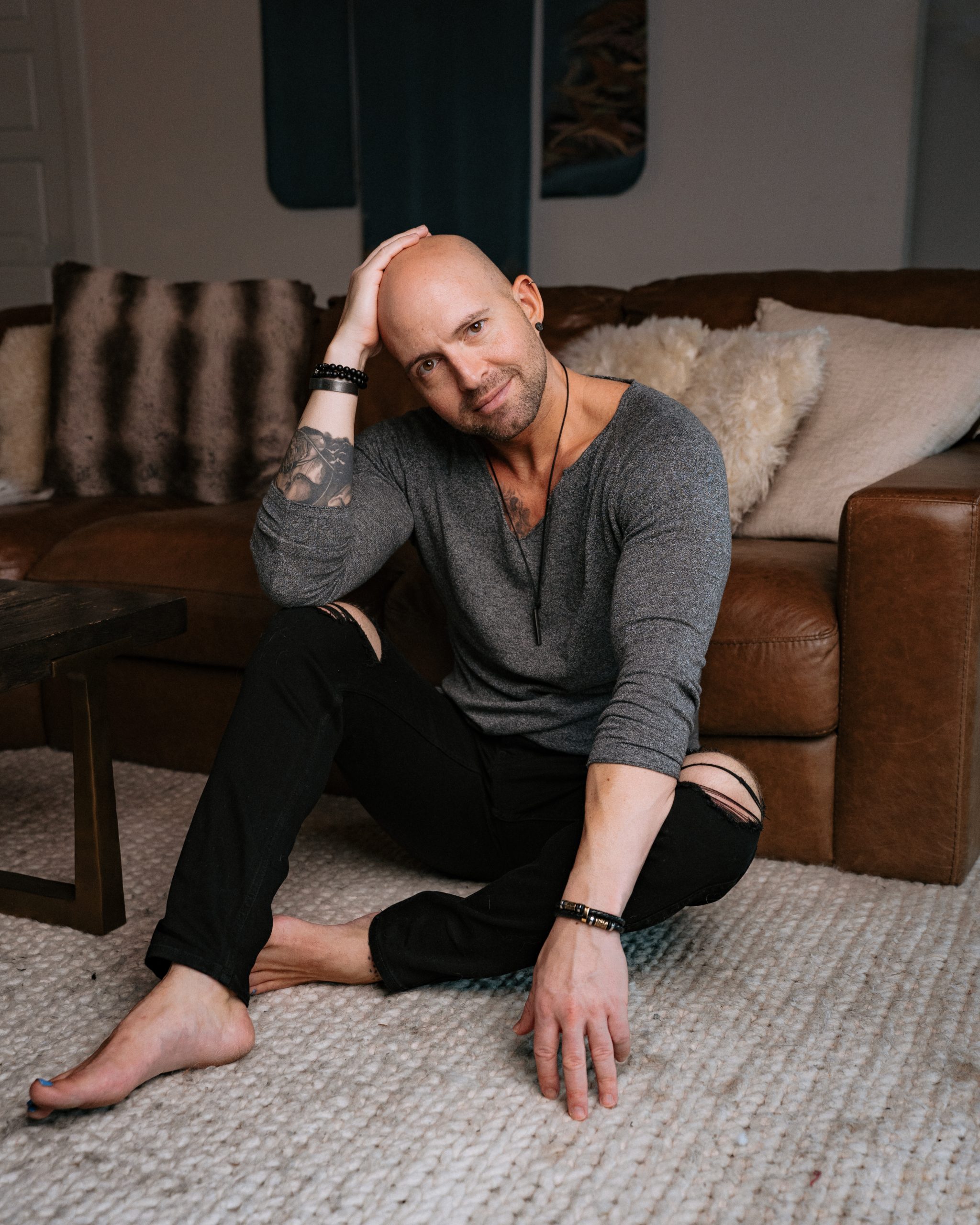
Andre Lazarus is a Certified Intimacy, Sex and Relationship Guide, trained Surrogate Partner, as well as Sacred Intimate with 9+ years of experience helping individuals and couples discover their intimate and erotic power. Andre specializes in erotic desire, sexless relationships, sexual trauma healing, erectile concerns, rapid ejaculation, BDSM, consensual non-monogamy, and more.
Book a discovery call and enroll into my courses to discover a deeper connection to yourself and your partner!